
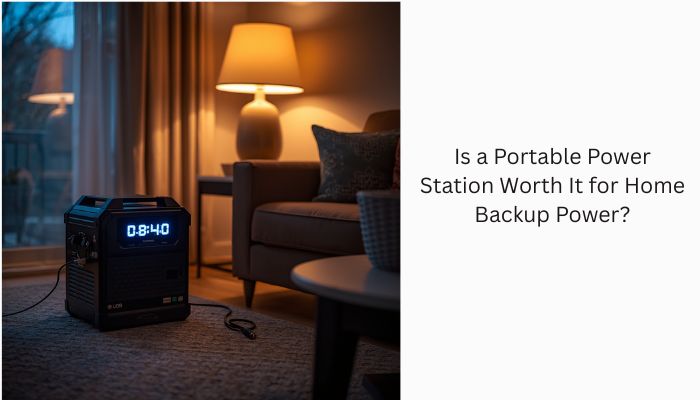
Power outages can happen unexpectedly due to storms, grid failures, or maintenance work. While most outages are short, extended interruptions can affect everything from communication and food storage to remote work and home security systems. As a result, many homeowners are looking for practical backup power solutions that do not require the complexity of a traditional generator.
Portable power stations have emerged as one of the most popular alternatives. They offer clean energy storage, quiet operation, and the ability to power essential devices without relying on fuel. But are they truly worth the investment?
Table of Contents
The Growing Need for Reliable Backup Power
Modern homes are more dependent on electricity than ever before. Internet routers, smart home devices, laptops, refrigerators, and medical equipment all require a steady power supply. Even a brief outage can disrupt daily activities. For remote workers, downtime can mean missed meetings and lost productivity. For families, it can affect food preservation, home security systems, and access to important information.
Traditional gas generators have long been the go-to solution, but they come with several drawbacks. They require fuel storage, regular maintenance, and outdoor operation due to emissions. Many homeowners are now exploring battery-powered alternatives that offer greater convenience and environmental benefits.
What Makes Portable Power Stations Different?
Portable power stations store electricity in large battery systems that can be used whenever grid power becomes unavailable. Unlike conventional generators, they produce no direct emissions and operate almost silently. Many newer models support solar charging, allowing users to recharge the unit using renewable energy. This feature is particularly attractive for homeowners interested in reducing dependence on fossil fuels while maintaining emergency preparedness. Another advantage is ease of use. Most power stations require minimal setup and can begin supplying power immediately after an outage occurs.
Key Features to Consider
Not all portable power stations offer the same capabilities. Before purchasing one, it is important to evaluate your energy requirements and compare available options.
Battery Capacity
Battery capacity determines how long devices can operate during an outage. Larger systems can support refrigerators, freezers, and multiple electronic devices for extended periods.
Power Output
Output capacity affects which appliances can be powered simultaneously. Households with high-energy equipment should carefully review wattage limits before making a purchase.
Expandability
Some premium power stations allow users to add extra battery modules as energy needs grow. This flexibility can be valuable for families planning long-term backup solutions.
Charging Options
The best systems often support multiple charging methods, including wall outlets, solar panels, and vehicle charging.
A Look at Modern High-Capacity Solutions
Among the many options available today, the Anker Solix F3800 has attracted attention for its high energy capacity and whole-home backup potential. Unlike smaller portable units designed primarily for camping, this model is built to support larger residential power needs.
One reason many homeowners consider the it is its ability to power multiple household appliances during emergencies. This makes it appealing for users who want more than basic phone charging and lighting capabilities. The system also supports solar integration, which can help extend runtime during prolonged outages. For homeowners interested in energy independence, this feature adds significant value.
Benefits Beyond Emergency Preparedness
Portable power stations are not only useful during blackouts. Many people use them for outdoor events, RV travel, construction projects, and off-grid activities. Remote workers can benefit from uninterrupted power during critical meetings or deadlines. Homeowners with solar installations may also use battery storage to maximize renewable energy usage.
As electricity costs continue to rise in some areas, energy storage solutions may play an increasingly important role in helping households manage consumption more effectively.
Potential Limitations
Despite their advantages, portable power stations are not perfect for every situation. High-capacity systems often require a significant upfront investment. While they may eliminate fuel costs associated with traditional generators, buyers should carefully evaluate their budget and expected usage.
Battery-powered systems also have finite energy reserves. During extended outages, users must recharge the unit through solar panels, grid power, or alternative charging methods. Understanding these limitations can help homeowners choose the solution that best fits their needs.
Final Thoughts
Reliable backup power has become increasingly important in today’s connected world. Whether you work from home, rely on smart devices, or simply want peace of mind during emergencies, a portable power station can provide valuable protection against unexpected outages.
Products like the Anker Solix F3800 demonstrate how battery technology has evolved beyond simple portable chargers into powerful home energy solutions. While every household’s requirements are different, investing in a high-capacity power station can be a practical step toward greater energy security, convenience, and resilience.